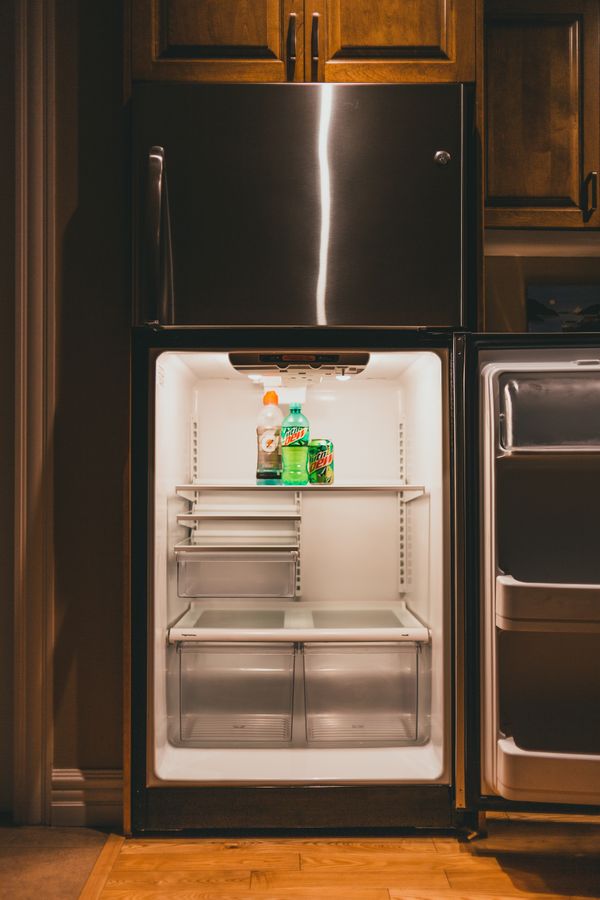
Refrigerators, washers, dryers, stoves — appliances are heavy, awkward, and a nightmare to move yourself. Worse, many contain refrigerants and materials that can’t just go in the trash.
Our crew removes old appliances from anywhere in your Charleston-area home, disconnects them safely, and hauls them away for responsible recycling. Upgrading your kitchen or clearing out a rental? One call handles it.
We haul away:
- Refrigerators and freezers
- Washing machines and dryers
- Stoves, ovens, and ranges
- Dishwashers
- Microwaves
- Air conditioners and dehumidifiers
- Water heaters
Appliance recycling, done right: Charleston County has strict rules on appliance disposal — refrigerants must be recovered by certified handlers. We make sure your old fridge or AC is processed properly, not dumped illegally.
What’s included in appliance removal
Appliance removal covers the disconnection, the carry-out, and the responsible processing — all in one visit. Our crew shuts off and disconnects washers (water supply lines and drain hose), dryers (vent hose and power), electric stoves and ranges, refrigerators (water line to the ice maker), and dishwashers. We bring appliance dollies, straps, and floor protection, because a 250-pound refrigerator does not negotiate with hardwood floors.
Kitchen appliances make up the bulk of our calls, and refrigerators are the heavyweight champion — especially French-door models, which are wider than most interior doorways and often need their doors removed to get out of the kitchen. Ranges, wall ovens, dishwashers tucked under counters, and over-the-range microwaves all come out cleanly, with surrounding cabinets left untouched.
Laundry pairs are the second most common job. Washers and dryers are dense, top-heavy, and usually wedged into closets with inches to spare. We disconnect the water lines, drain residual water, cap the connections, and maneuver the pair out without tearing up the door frame.
We also haul the appliances people don’t think of until they break: window AC units, portable dehumidifiers, and water heaters. A note on water heaters — they’re heavy, often tucked into tight garage corners or attics, and they’re full of water if they haven’t been drained. Tell us if yours is still full so we plan for the extra weight.
How it works: what to expect
Step 1 — Describe the appliance. Call (843) 555-0100 and tell us what you’re getting rid of and where it sits: “a side-by-side fridge in the kitchen, ground floor” is all we need. Mention stairs, tight turns, or anything unusual.
Step 2 — Upfront price on arrival. The crew looks at the appliance and the path out, then gives you one price before touching anything. No surprises halfway through.
Step 3 — Safe disconnection and carry-out. We shut off water and power connections, disconnect hoses and lines, and secure loose parts (like refrigerator shelves) so nothing slides mid-carry. The appliance comes out on dollies with floor protection down. Refrigerant-containing units — fridges, freezers, ACs — are routed for proper processing where refrigerants are recovered per federal requirements.
What affects the price
Type, size, and connections. A countertop microwave and a French-door refrigerator are very different jobs. Single appliances start at our minimum charge; each additional appliance on the same trip costs less than the first. A fridge still plumbed into its ice-maker line takes longer than one already sitting disconnected in the garage.
Refrigerant handling. Units containing refrigerants (refrigerators, freezers, ACs, dehumidifiers) require proper recovery processing under federal law — anyone hauling these units has to handle it, and it’s factored into the price.
How to prepare for your pickup
The single most helpful thing you can do is empty the appliance. Clear all food out of refrigerators and freezers, and defrost the freezer at least a day ahead if you can — a freezer full of frost is heavier and messier to move. For washers, run a drain cycle and disconnect isn’t necessary (we handle that), but removing any clothes and the detergent bottles on top helps. Clear a path from the appliance to the door, and if the appliance is in a tight spot, move nearby furniture a few feet back. For water heaters, shutting off the water supply and power/gas ahead of time saves significant time on arrival.
FAQ
Do you disconnect appliances before hauling?
Yes. Our crew safely disconnects washers, dryers, stoves, and refrigerators before removal. For hardwired or gas appliances, we recommend having them professionally disconnected first.
How much does appliance removal cost?
Single appliances are typically our minimum charge; multiple appliances cost less per item. You’ll always get upfront pricing before we start.
Can you take a refrigerator with food still in it?
We ask that fridges be emptied before pickup — but if that’s not possible, call us and we’ll work something out.
What happens to the refrigerant (freon) in my old fridge or AC?
Federal regulations require refrigerant to be recovered before an appliance is processed, and Charleston County enforces it. We route refrigerant-containing units through proper channels where the coolant is recovered by certified handlers — your old fridge won’t end up vented in a scrapyard.
Do you take window air conditioners?
Yes — window units, portable ACs, and dehumidifiers all qualify. They’re lighter than full-size appliances but still contain refrigerants, so they go through the same proper processing.